Learn How to Prevent Common Errors With Proper Techniques
The use of mulch in gardening offers numerous benefits, from enhancing the visual appeal of a landscape to improving soil health. However, many gardeners make mistakes that can undermine these advantages. This guide will help you identify frequent errors and offer practical solutions to optimize your mulching practices. Understanding these missteps is essential to maintaining a healthy and attractive garden, ensuring that your efforts yield the best results.
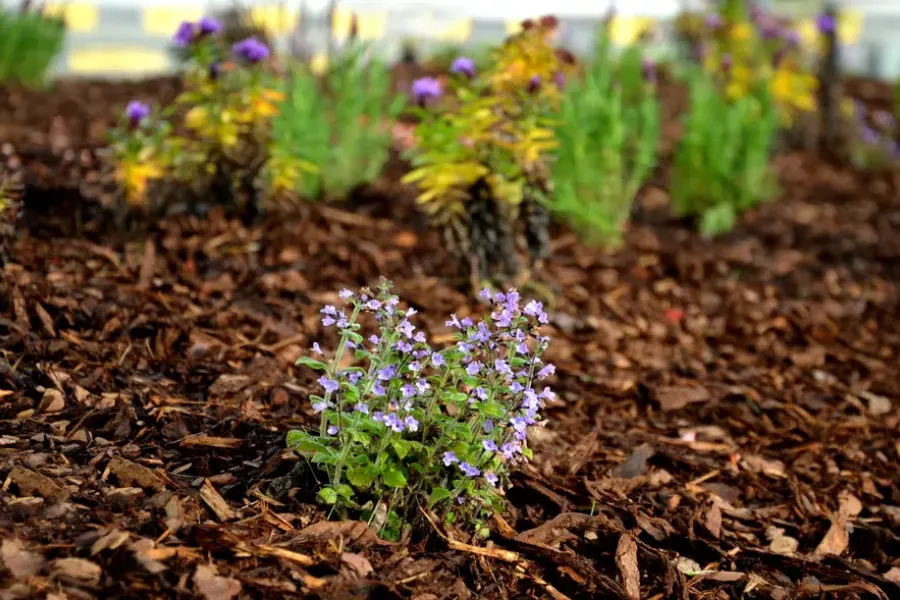
Understanding Over-Mulching
Applying too much mulch might seem beneficial at first, but it often harms plants. Over-mulching can suffocate roots by preventing air and water from penetrating the soil properly. It also creates an ideal environment for pests and diseases. To avoid this, aim for a depth of 2-4 inches when applying mulch. This thickness ensures adequate coverage while allowing the soil to breathe and absorb moisture effectively.
Choosing the Wrong Type of Material
The type of material used in mulching greatly impacts its effectiveness. Organic options like wood chips or straw are generally preferred as they decompose over time, enriching the soil. Inorganic choices such as rubber or stones may not provide the same nutritional benefits and can even harm plant life if improperly applied. Selecting the right mulch depends on your specific needs and garden goals.
Ignoring Proper Application Techniques
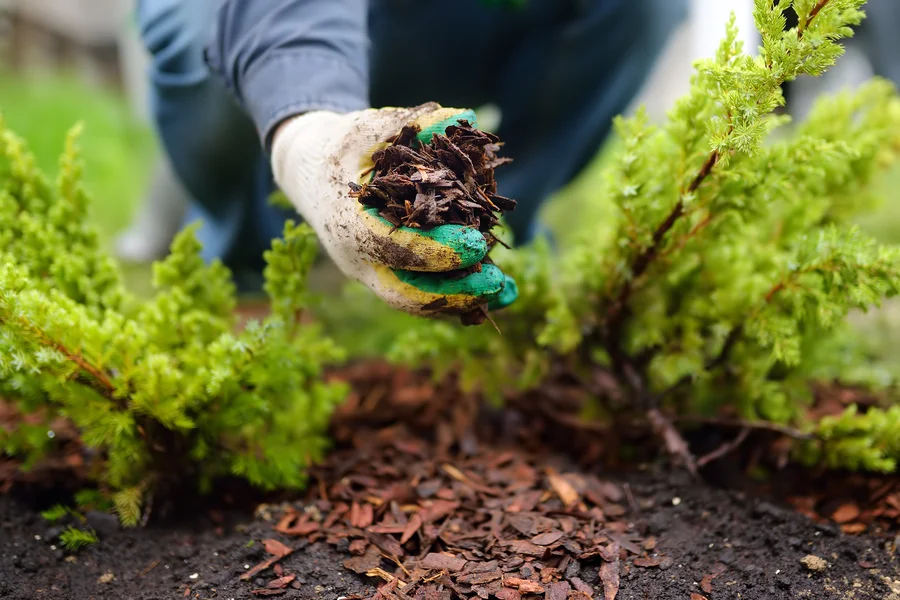
Proper application is crucial for successful mulching. Many gardeners pile mulch against tree trunks or plant stems, which can lead to rot. Instead, create a donut shape around trees and plants, leaving space between the mulch and stems. This prevents excessive moisture buildup, reducing the risk of decay and promoting healthy growth. Consistently following correct application methods will significantly enhance your garden’s vitality.
Assessing Seasonal Needs
Mulch provides different advantages depending on the season. In colder months, it acts as an insulator, protecting roots from freezing temperatures. During warmer seasons, it helps retain soil moisture and suppress weeds. Adjusting your mulching strategy based on seasonal changes ensures that your plants receive the appropriate level of protection and nourishment throughout the year.
Avoiding Common Misconceptions
There are several misconceptions surrounding mulching that can lead to ineffective use. One common belief is that more mulch always equals better results, which isn’t true. Another is that all types of mulch have the same impact on every garden setting-this varies significantly. Educating yourself about these myths allows you to make informed decisions tailored to your unique gardening circumstances.
Recognizing Signs of Improper Use
Identifying signs of improper mulching early can save your plants from damage. Symptoms include discolored leaves, reduced growth, and increased pest activity. If you notice these issues, reassess your current methods and adjust accordingly. Regularly checking for these indicators enables timely interventions, preserving your garden’s health and aesthetic appeal.
Final Thoughts for Optimal Garden Care
Your approach to mulching plays a pivotal role in maintaining a thriving garden. By avoiding common mistakes and employing best practices, you ensure long-term success in your landscaping efforts. Contact Tenezaca Landscape & Hardscape LLC at (443) 652-1195 for expert advice tailored to your gardening needs. Located in Bel Air, MD, we are committed to helping you achieve vibrant and resilient landscapes through thoughtful care.