Understanding the Importance of Retaining Wall Construction
Retaining walls play a crucial role in both aesthetic and functional aspects of landscape design. They are essential for preventing soil erosion, managing water drainage, and providing support for vertical grade changes. If you have slopes on your property, a well-designed retaining wall can transform that space into a more usable area. To ensure success, several key factors need consideration during the installation process.
Choosing the Right Materials
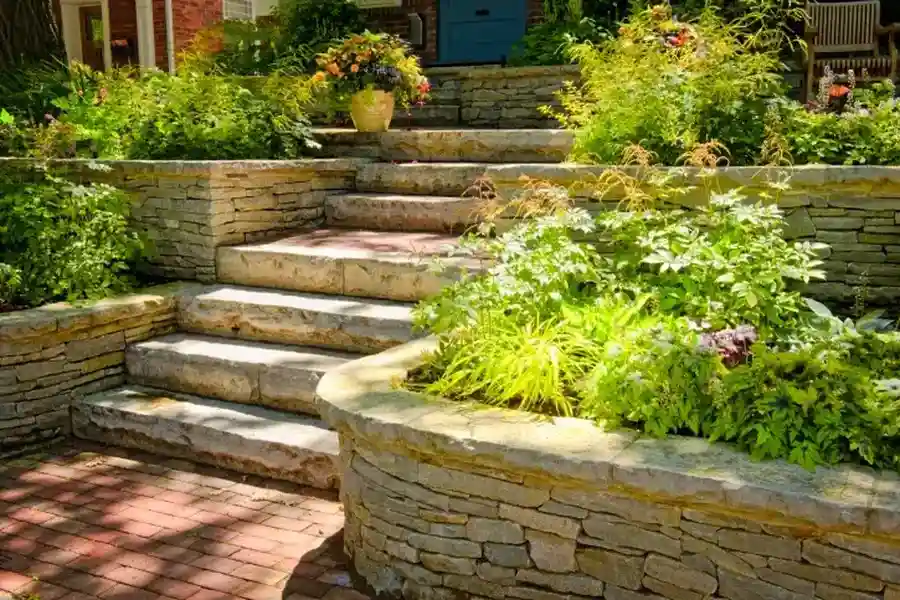
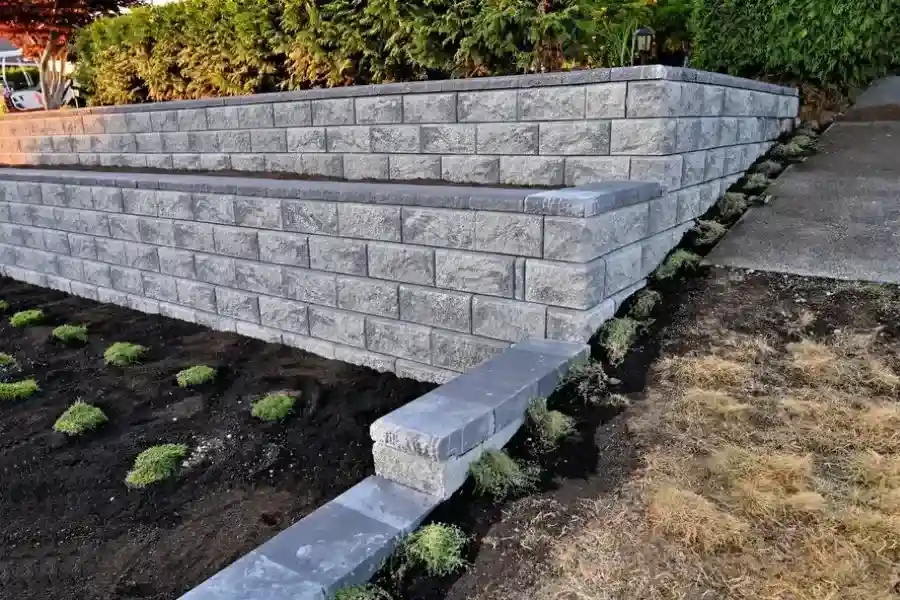
The type of materials you choose significantly impacts the longevity and appearance of your retaining wall installation. Common materials include concrete blocks, natural stones, bricks, and timber. Each material has its benefits and drawbacks. For instance, concrete blocks offer durability and a wide range of design options, while natural stone provides an organic look that blends with the natural environment. Consider your budget, desired aesthetics, and maintenance requirements when selecting materials.
Assessing Soil Conditions
Understanding your soil’s properties is vital for retaining wall installation. Different soil types have varying levels of stability and drainage capabilities. A professional soil analysis can help determine if additional measures, like gravel backfill or drainage pipes, are necessary to enhance the wall’s stability. Poorly assessed soil conditions can lead to wall failure over time.
Considering Drainage Solutions
Proper drainage is critical to prevent hydrostatic pressure from building up behind the wall. This pressure can cause the wall to lean or collapse. Incorporating efficient drainage solutions such as weep holes or perforated pipes helps redirect water away from the structure. These solutions are especially important in areas prone to heavy rainfall.
Designing for Functionality and Aesthetics
A successful retaining wall must balance form and function. When designing your wall, consider not only how it will look but also how it will perform under different conditions. Take into account your property’s existing landscape features, such as trees or pathways, which might affect the wall’s placement and height. Additionally, think about how the wall complements the overall outdoor space.
Addressing Height Restrictions
Most municipalities have regulations regarding the maximum allowable height for retaining walls. Exceeding these limits without proper permits can result in fines or mandatory modifications. Always check local building codes before starting your project. If you’re planning a taller wall, you might need to incorporate additional structural elements or seek engineering advice.
Budgeting for Your Project
Cost considerations are crucial when planning a retaining wall project. The price can vary based on materials, labor, design complexity, and site preparation needs. It’s wise to get multiple quotes from contractors to compare costs accurately. Remember that investing in quality materials and skilled workmanship upfront can save money on future repairs and maintenance.
Finalizing Your Retaining Wall Plans
Before committing to any plans, it’s recommended to consult with experts who specialize in retaining walls. Their insights can prove invaluable, saving you time and potential headaches down the line. Once you’ve made informed decisions regarding materials, design, and budget, proceed confidently knowing you’ve laid the groundwork for a successful project.
Your Trusted Partner for Quality Landscape Solutions
For expert guidance on transforming your outdoor spaces with retaining walls, Tenezaca Landscape & Hardscape LLC offers personalized service tailored to meet your specific needs. Our team serves clients throughout Bel Air, MD, ensuring every project meets high-quality standards. Reach out at (443) 652-1195 to discuss your next landscaping endeavor with our experienced professionals.