Understanding How to Preserve Your Wall’s Strength and Functionality
Retaining walls are essential in many landscapes, helping to manage soil erosion and provide structural support. However, like any other structure, they require regular maintenance to remain effective and safe over time. This article will guide you through key aspects of maintaining your retaining wall’s integrity, ensuring it continues to serve its purpose efficiently while preventing common issues that may arise.
The Importance of Regular Inspections
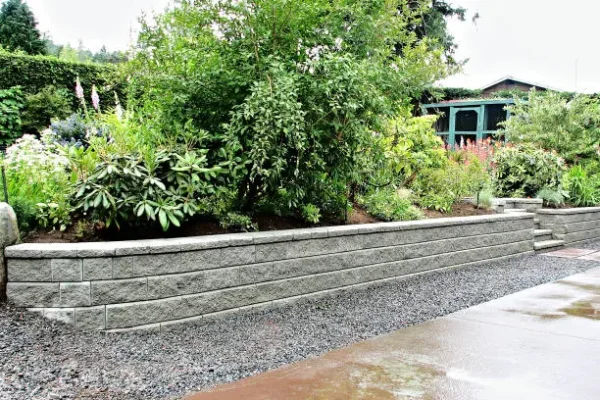
Regular inspections are crucial for identifying potential problems early on. By examining your wall routinely, you can spot signs of wear or damage such as cracks or bulging. These inspections allow you to address minor issues before they escalate into costly repairs.
Addressing Drainage Issues Effectively
Poor drainage is a common culprit behind retaining wall failures. Ensuring proper water flow around your wall reduces pressure buildup that can lead to structural damage. Consider improving the drainage system during the initial retaining wall installation to prevent future complications. Regularly check for blocked drains and remove debris that could impede water flow.
Using Quality Materials for Longevity
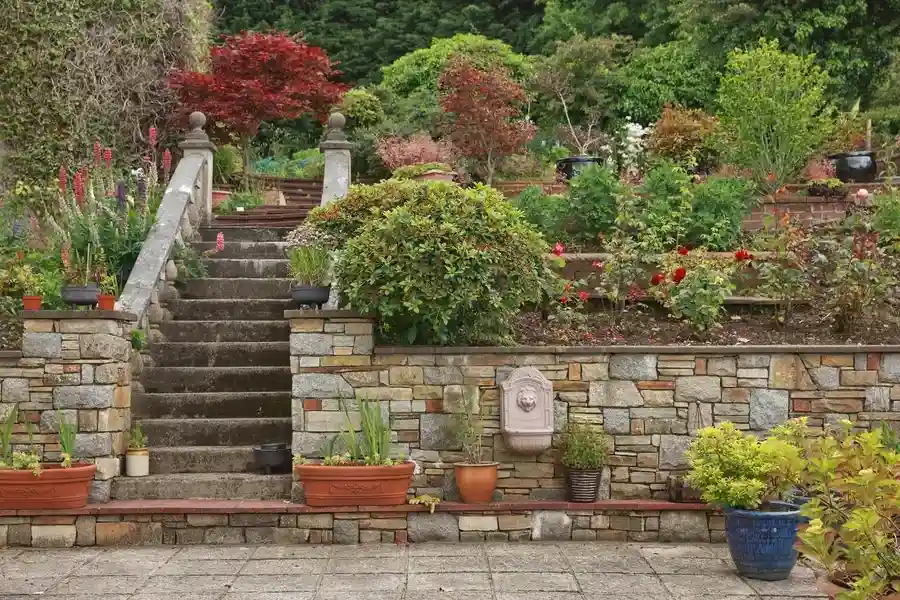
The materials used in constructing your wall significantly affect its lifespan. Opt for durable options like concrete or stone, which provide resistance against environmental factors. When planning a new retaining wall installation, prioritize high-quality materials to enhance durability and reduce maintenance needs over time.
Incorporating Vegetation Wisely
Vegetation can play a vital role in stabilizing your retaining wall while adding aesthetic appeal. Planting appropriate greenery helps absorb excess moisture and reduces soil erosion. Choose plants with deep roots that don’t interfere with the wall’s structure, considering their growth patterns and space requirements.
Understanding Common Problems and Solutions
- Erosion: Use ground cover plants and mulch to protect soil from erosion.
- Bulging Walls: Reinforce the wall with additional backfill or tiebacks if necessary.
- Cracks: Seal small cracks promptly before they widen with weather exposure.
Best Practices for Maintenance
Following best practices ensures the longevity of your retaining wall. First, conduct routine visual checks to catch any signs of distress early. Second, maintain an effective drainage system to manage water levels. Lastly, engage professionals for periodic assessments and repairs when needed.
Budgeting for Maintenance Costs
While maintaining your retaining wall might seem costly, it’s important to consider it an investment in safety and functionality. Allocate funds annually for inspections and minor repairs. This proactive approach helps avoid expensive emergency fixes later.
Professional Assistance With Retaining Walls
If you’re unsure about any aspect of wall maintenance, consulting experts can be beneficial. Professionals provide insights and solutions tailored to your specific needs, ensuring compliance with industry standards and regulations.
Conclusion: Ensuring Lasting Stability With Professional Support
A well-maintained retaining wall adds value and security to your property by effectively managing land elevation challenges. For reliable service and expert guidance, contact Tenezaca Landscape & Hardscape LLC at (443) 652-1195. Our team, located in Bel Air, MD, specializes in comprehensive care and evaluation of retaining wall systems to ensure they stand the test of time.